Stable, adjustable support
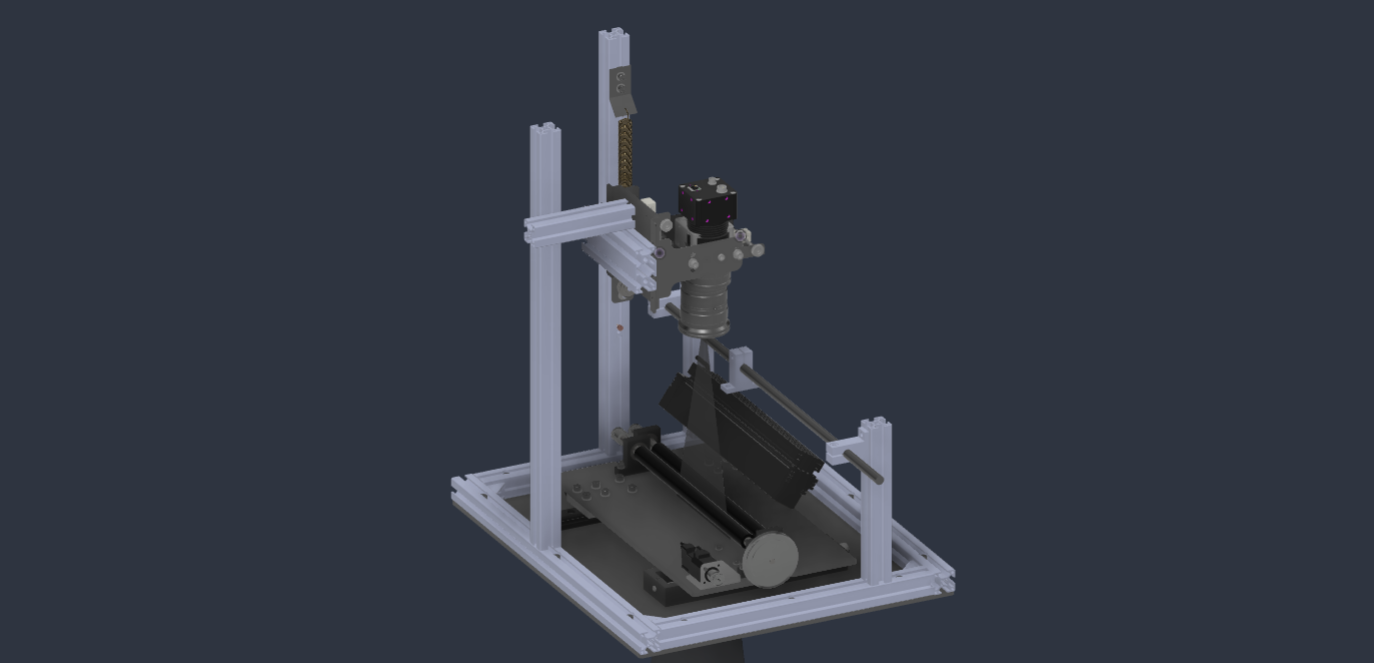
I compared direct and belt drives, single- and dual-roller drive, and fixed versus symmetric adjustment. The selected layout drives both rollers and keeps the workpiece centered laterally as the spacing changes.
MECHANICAL ENGINEERING · UC DAVIS ’28
I design mechanisms and bring them to life.
Mechanical design, mechatronics, and hands-on testing—from the first CAD model to a working machine.
B.S. Mechanical Engineering
University of California, Davis · June 2028
01 / FEATURED PROJECT
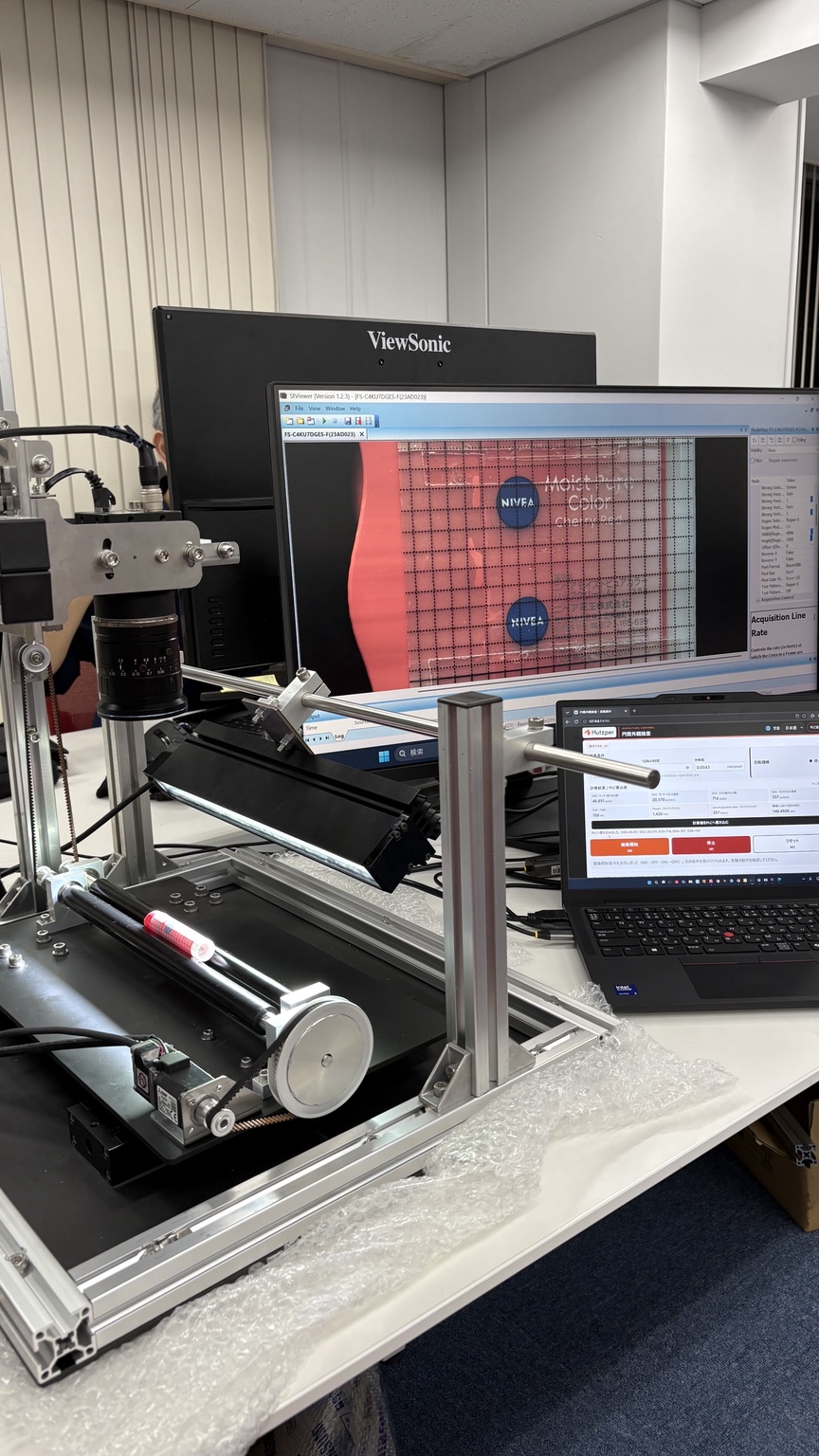
A dual-roller inspection system that rotates cylindrical products beneath a line-scan camera, turning their outer surface into a continuous image.
As a mechatronics engineering intern, I developed the mechanical design, selected components, assembled the system, and integrated the PLC, servo, camera, and bilingual web interface with guidance from my supervisor.
Original design requirements: Ø10–100 mm · up to 300 mm long · up to 7 kg. Tested diameter range shown above.
SEE IT WORK
Under 4 seconds from start command to image capture.
In this tested setup, capture completed less than 4 seconds after pressing Start. The 21-second demonstration was intentionally paced more slowly to show the workflow; rotation time is adjustable for faster operation.
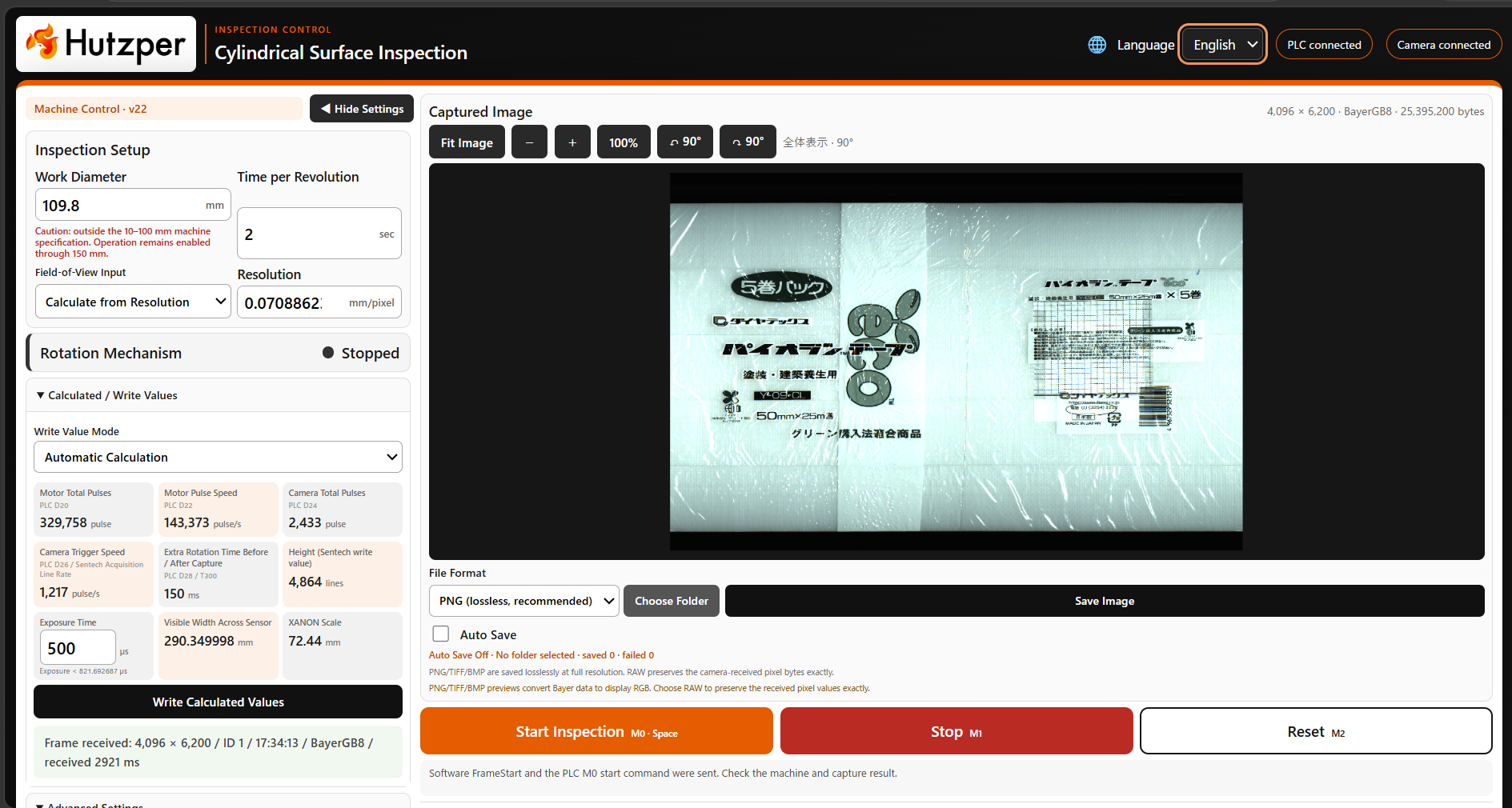
The web interface calculates motion and imaging parameters and sends them to the PLC.
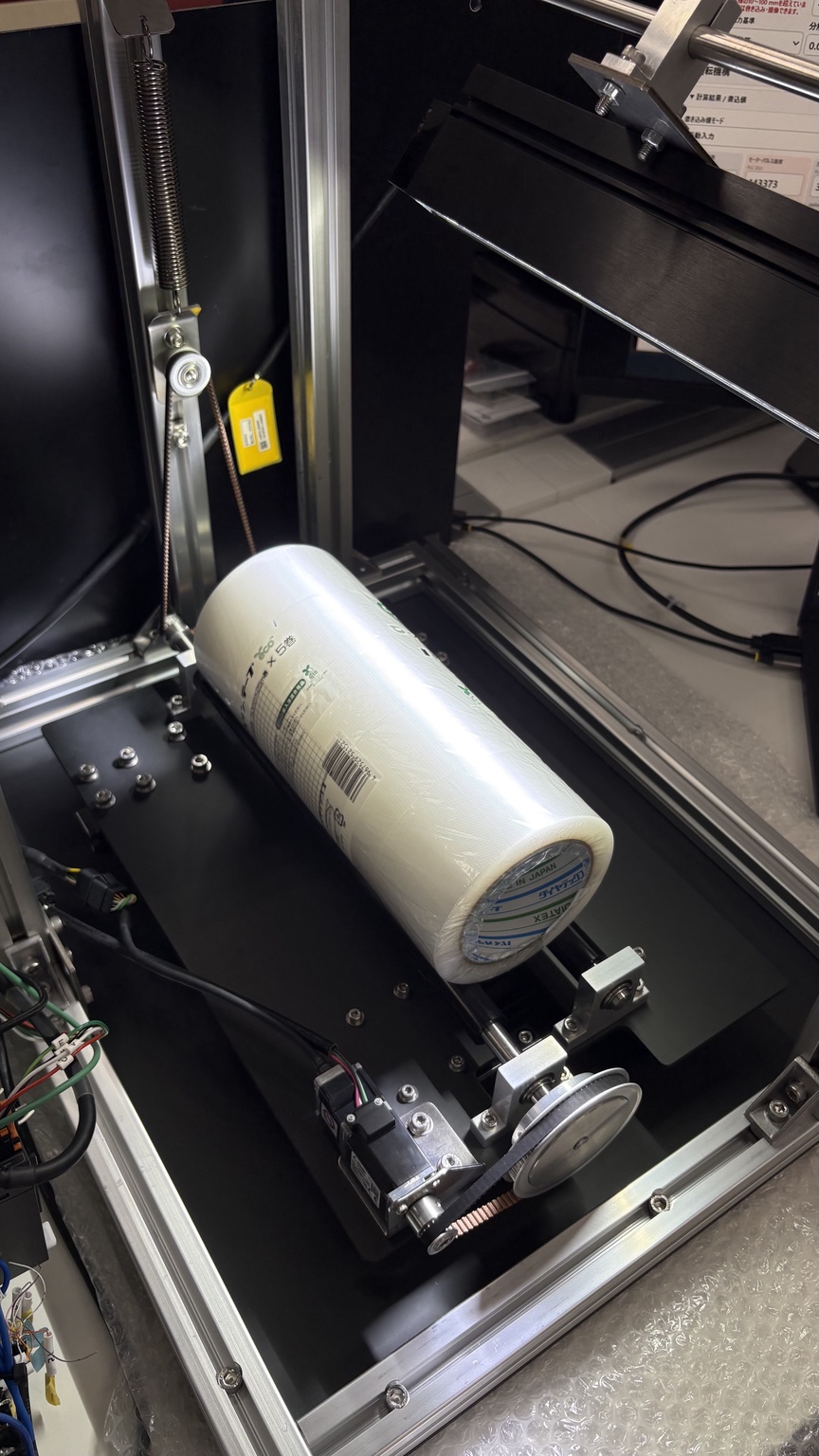
A servo and belt transmission drive both support rollers beneath the line-scan camera.
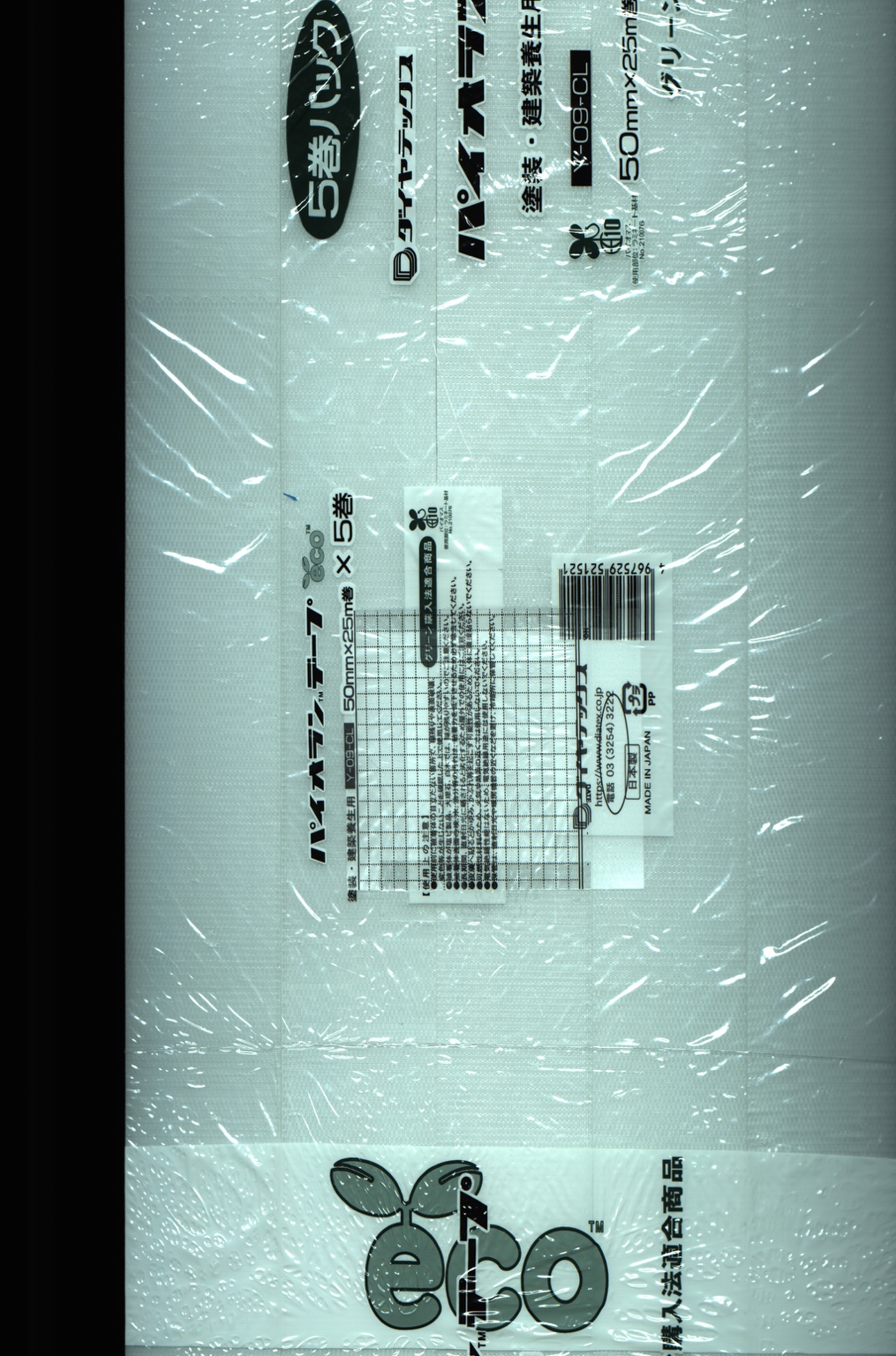
The captured lines form an unwrapped view of the cylindrical surface.
THE MECHANICAL CHALLENGE
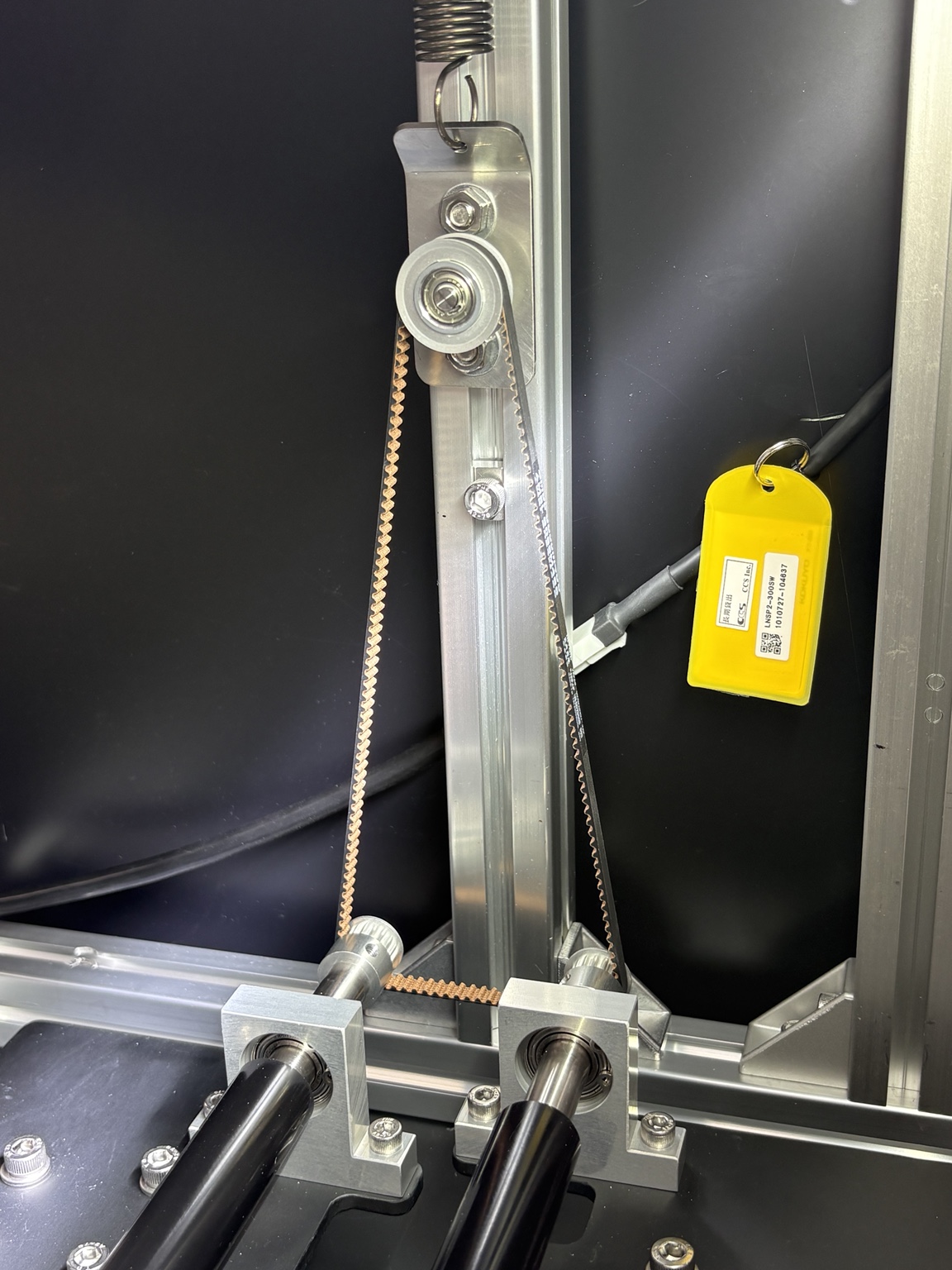
Changing the roller spacing also changes the belt path. The initial design called for 11 size-specific timing belts, requiring a belt change between workpiece ranges.
I developed the tensioner geometry, travel, spring load, and component layout. An adjustable, spring-loaded idler takes up the changing belt path, allowing one belt to serve the full operating range.
DESIGN → MANUFACTURE → INTEGRATE
I compared drive architectures, checked the components against the operating requirements, and prepared the system for fabrication and assembly.
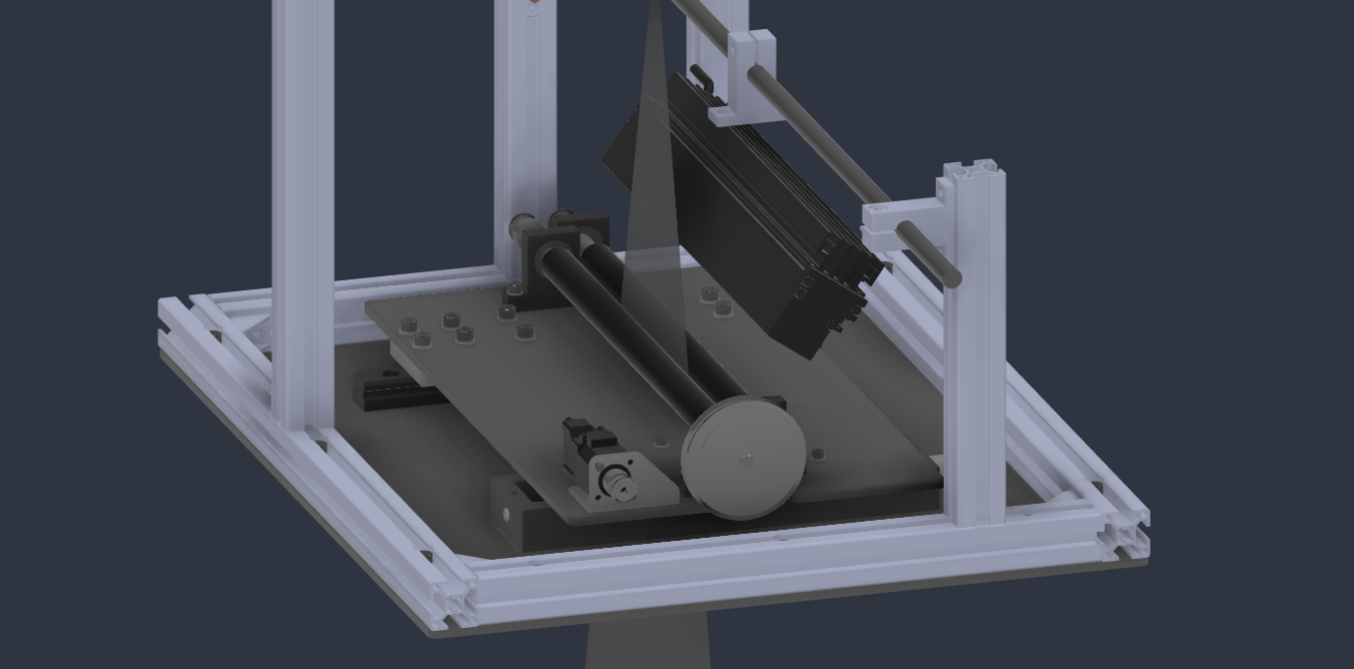
I compared direct and belt drives, single- and dual-roller drive, and fixed versus symmetric adjustment. The selected layout drives both rollers and keeps the workpiece centered laterally as the spacing changes.
I used torque and inertia calculations for servo selection, shaft-deflection and fit calculations for the roller supports, and belt-tension calculations for the transmission.
I modeled the assembly in Fusion 360, checked interference, and produced manufacturing drawings, BOMs, and supplier-ready specifications.
CONTROLS & VALIDATION
A working mechanism was only part of the problem. The camera and workpiece motion also had to agree.
I tuned the servo response and adjusted the camera start timing to avoid startup distortion. The bilingual interface calculates parameters from diameter, resolution, and rotation time, enabling one-click acquisition.
Reduced through servo auto-tuning.
Intentional delay before acquisition to avoid startup distortion.
THE OUTPUT
The larger test workpiece and its captured surface image.
This is the actual line-scan output, including the packaging texture, printed labels, and reflections. The system completed 30+ captures with no dropped frames.
02 / OTHER WORK
Full résumé ↗Redesigned cargo-floor brackets and mounting arrangements for packaging, support, and enclosure accessibility. Used bending-stress calculations and Siemens NX static FEA for a 180 lb distributed load.
Enclosure access: 90 → 64 seconds in team testing.
Built a servo-driven platform for a camera-based tracking fan and refined printed components for alignment, fit, wiring, and airflow. My focus was the mechanical hardware and testing.
Cooling pads: 15°F lower test-surface temperature versus no pads. Noise: 56 → 32 dB after shroud and vibration modifications.
Designed a servo-driven helical-coil dispenser with an ESP32. Iterated on servo angles, coil placement, and product clearances.
45+ jam-free test cycles.
LET’S CONNECT
Mechanical engineering student at UC Davis.
Interested in mechanical design, mechatronics, and product development.